

Investigating the ancient practices of gaming and chance
The Origins of Gaming: A Historical Perspective
Gaming has been an intrinsic part of human culture for millennia, with evidence dating back to ancient civilizations. Archaeologists have discovered gaming artifacts in the ruins of Mesopotamia, where clay dice were used as early as 3000 BCE. These ancient dice, often inscribed with numbers or symbols, were not merely for entertainment; they played a significant role in decision-making processes, religious rituals, and even warfare. The integration of chance into human activities laid the groundwork for the vast array of gaming practices that we see today. As modern platforms evolve, players frequently seek out experiences like those found at rocketcasino, which reflect this rich history.
In ancient Egypt, games like Senet, which involved a board and pieces, illustrated the societal importance placed on gaming. The game not only entertained but also served as a metaphor for navigating the afterlife. Similarly, the Romans embraced gaming as a social activity, with gambling becoming a common pastime among citizens. These historical practices reveal how ancient societies valued gaming, intertwining it with social interactions, beliefs, and cultural expressions.

The Role of Chance in Ancient Cultures
Chance has always been a fascinating concept, often perceived as a reflection of fate or the will of the gods. In various cultures, the act of rolling dice or drawing lots was believed to be influenced by divine forces. For instance, in ancient China, the practice of using bamboo sticks for divination not only guided decisions but also introduced an element of randomness that became integral to their gaming practices. This intertwining of chance and spirituality highlights the deep-rooted significance of gaming in shaping societal beliefs.
The Greeks and Romans also held similar views, where casting lots was a method to determine outcomes, from selecting leaders to resolving disputes. This belief in chance can be seen as a precursor to modern gaming, where elements of luck and fate continue to play significant roles in games of skill and chance alike. The perception of gaming as a form of engaging with the unknown illustrates humanity’s enduring fascination with luck and uncertainty.
Ancient Games and Their Evolution
The games of antiquity laid the foundation for contemporary gaming experiences. From the strategic complexities of chess, which has origins in ancient India, to the fast-paced excitement of ancient dice games, the evolution of these games reflects changing societal norms and technological advancements. Many of these ancient games have transformed over the centuries, adapting to various cultures while maintaining core elements that define them.
Modern gaming has inherited various components from these ancient practices, with elements of strategy, chance, and social interaction becoming integral to gameplay. The transition from physical boards and pieces to digital platforms marks a significant evolution. Yet, the underlying principles of competition and chance remain steadfast, continuing to engage players and evoke the same thrill experienced by our ancestors.
Exploring Modern Gaming: A Nod to the Ancients
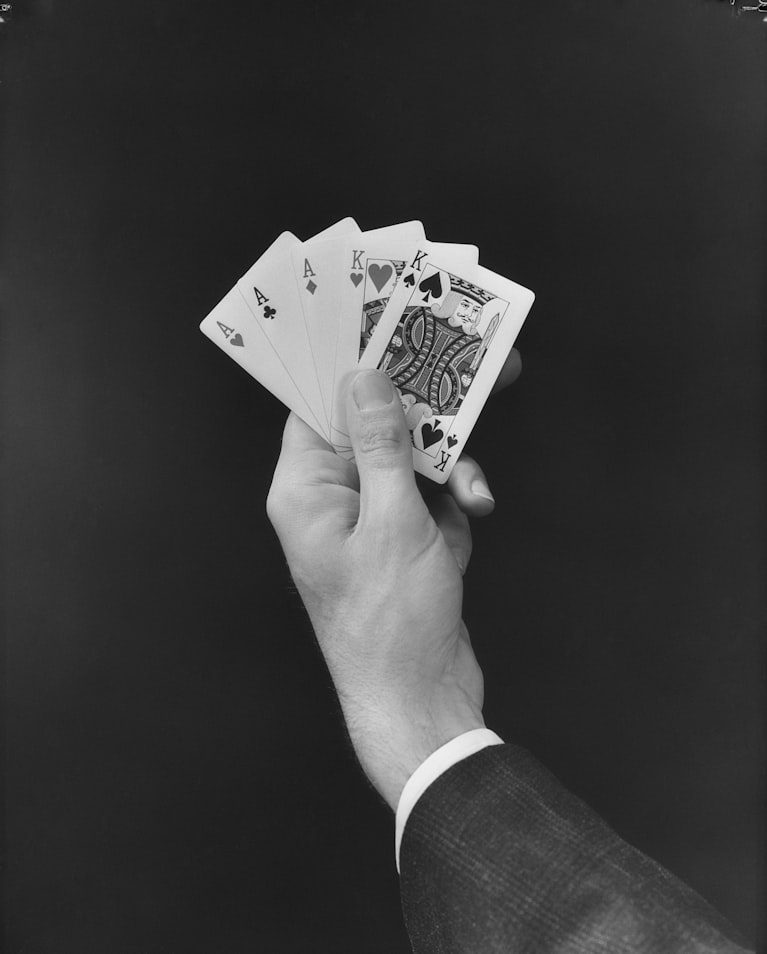
Today’s gaming landscape is vastly different, yet echoes the rituals and practices of the past. Online casinos and gaming platforms have emerged, offering a range of experiences reminiscent of ancient gaming. With advancements in technology, players can now engage in games that combine elements of skill, chance, and social interaction in ways that ancient cultures could only dream of. The allure of chance remains, enticing players to seek fortune and excitement in every roll of the dice or spin of the wheel.
Platforms like Rocket Casino Australia exemplify this modern evolution, providing a rich array of games that connect players with the thrill of chance. With over 3,000 games available, including a variety of pokies and live dealer options, players can experience the same excitement that ancient civilizations once enjoyed. By offering a secure and entertaining environment, these platforms ensure that gaming remains a vibrant part of human culture, celebrating both its historical roots and contemporary innovations.
Add Comment